
The Submarine Pipeline That Brought Life to the Sand Dunes
One of the earliest and most daring submarine freshwater pipelines executed in the United States, proving the feasibility of cross-bay municipal utility infrastructure.
"How could founders transform an arid desert sand peninsula with zero freshwater wells, zero natural streams, and zero rain into a world-famous lush subtropical paradise with blooming botanical gardens and 400 luxury suites?"
Listen to the historical narrative via browser voice narration
In 1887, before hotel construction could finish, engineers laid a 12-inch submerged iron pipeline directly on the floor of San Diego Bay, pumping fresh mountain water from mainland reservoirs across the bay to Coronado. Without this underwater pipeline, the hotel could never have opened.
Archival Photographic Evidence
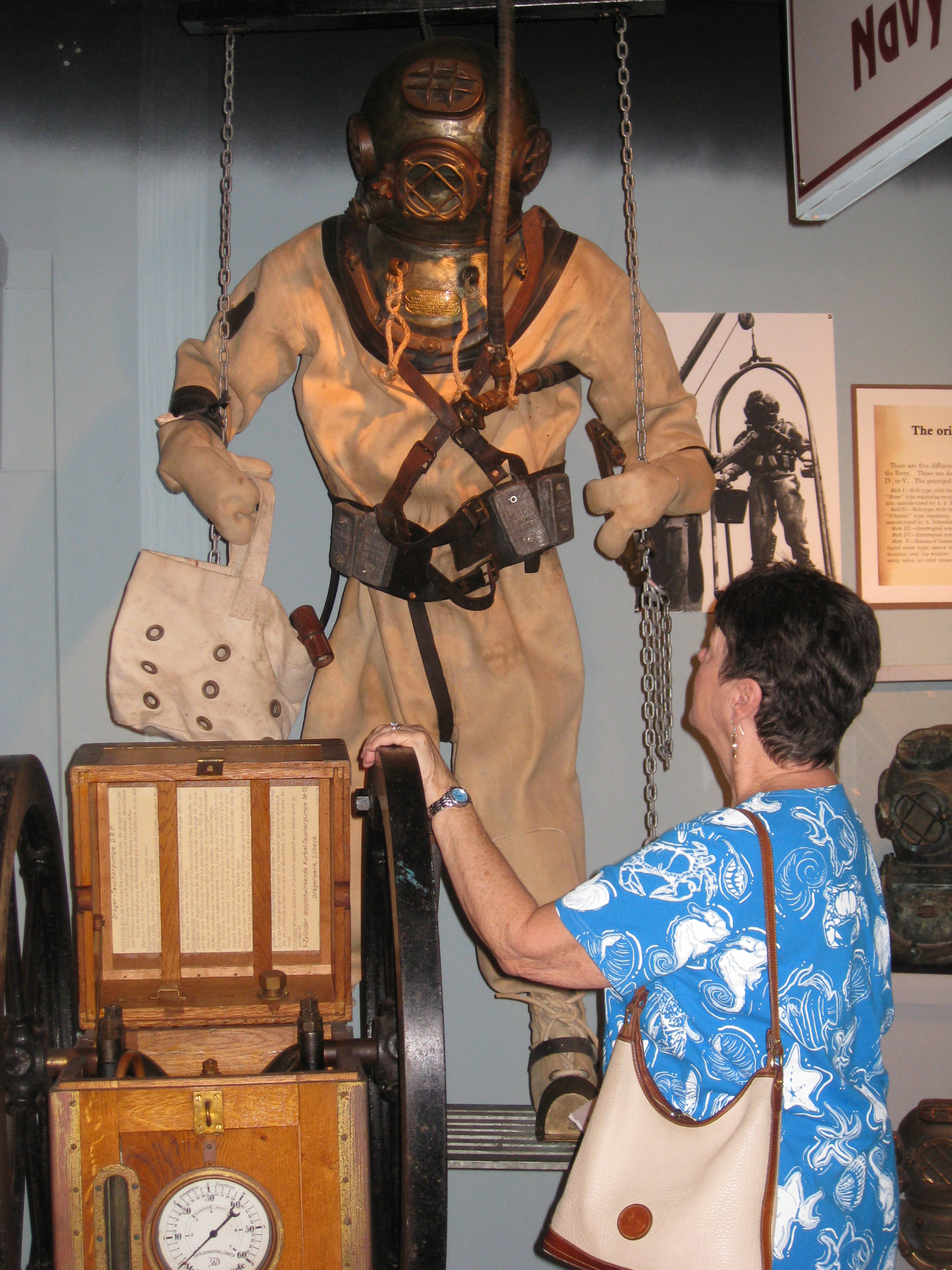
The 12-inch submerged iron pipeline engineered in 1887 across the bed of San Diego Bay, delivering fresh mountain water to transform the arid Coronado dunes into a flourishing botanical resort.
Complete Archival Investigation
In 1885, when Elisha Babcock and Hampton Story purchased the 4,000-acre Coronado peninsula for $110,000, skeptics called them mad. The entire peninsula was an arid, wind-swept sandbar covered in coastal scrub, prickly pear cactus, and jackrabbits.
Most critically: there was not a single drop of fresh water. Geological test wells drilled deep into the Coronado sands struck only salty Pacific brine. Without vast volumes of potable water for construction mortar, guest baths, steam boilers, landscaping, and fire suppression, the vision of a luxury Victorian resort was an impossible dream.
Rather than abandoning the project, the founders incorporated the Coronado Water Company in 1886. Chief engineer E.S. Babcock devised an audacious plan: acquire mountain water rights from the Otay Valley reservoir system on the mainland, build storage flumes, and lay a flexible, ball-and-socket iron pipeline along the deep floor of San Diego Bay.
Working from specialized barges in 1887, divers and maritime crews lowered a 12-inch cast-iron pipeline section by section across the harbor bed. The underwater joints were engineered to flex with tidal currents and seafloor shifting. When the valves opened in late 1887, pure mountain runoff surged onto the Coronado sands, bringing instant life to the dunes.
The Engineering of the Ball-and-Socket Joint
Standard rigid iron pipe would have cracked immediately under San Diego Bay’s tidal flexing and ship anchor drag. Babcock’s engineers imported patented flexible ball-and-socket joints manufactured by the Ward Patent Company. Each joint allowed several degrees of angular deflection while maintaining a watertight seal under high internal pumping pressure.
Creating Kate Sessions’ Subtropical Oasis
The arrival of fresh mountain water made it possible for famed botanist Kate Sessions (the "Mother of Balboa Park") and Coronado gardeners to plant thousands of Mexican fan palms, eucalyptus groves, hibiscus, and bougainvillea across the peninsula, permanently altering Coronado’s visual and ecological landscape.
Precursor to the Modern Water Authority
The successful 1887 submarine pipeline laid the foundational engineering precedent for San Diego County’s modern regional aqueduct network. The route across San Diego Bay was continually upgraded with heavier steel and concrete conduits throughout the 20th century.
Archival & Engineering Specifications
| Pipeline Diameter | 12-inch heavy-wall cast iron conduit |
| Crossing Route | Directly across the floor of San Diego Bay |
| Water Origin | Otay Valley mountain reservoir runoff via flumes |
| Installation Year | 1887 (Pre-hotel opening requirement) |
| Joint Technology | Ward Patented flexible ball-and-socket watertight joints |
| Operating Entity | Coronado Water Company (incorporated 1886) |
Archival Quotes & Eyewitness Testimonies
"Water is the lifeblood of our enterprise; without it, our grand hotel is but a castle built on shifting dust."
"The submarine conduit crossing San Diego harbor was watched with intense interest by hydraulic engineers throughout the nation."
Frequently Asked Questions
Questions & AnswersWas there any fresh water on Coronado before the pipeline? ↓
None. Test drillings revealed only brackish, non-potable groundwater. Early survey crews had to carry fresh water barrels across the bay by rowboat from San Diego.
Did the submarine pipeline ever rupture? ↓
Minor leaks were repaired by hard-hat commercial divers, but the flexible ball-and-socket joints performed remarkably well, resisting tidal currents and small earthquakes for decades.
Where does Coronado get its water today? ↓
Today, the California American Water Company delivers water to Coronado via modern high-capacity submerged aqueducts crossing San Diego Bay and along the Silver Strand isthmus, fed by regional reservoirs and the Colorado River aqueduct system.
Primary Archival Sources & Repository Citations
HISTORIC ARCHIVEConnected Timeline Records & Key Historical Figures
Share Chronicle & Academic Citation
Distribute verified Coronado historical records or cite this resource in academic, educational, and journalistic works.